Effective Daily Hydration: 3 Routines for 3 Lifestyles
Hydrating in Singapore can be trickier than one might imagine. Given Singapore's tropical climate, staying properly hydrated isn't just about drinking more water—it's about understanding that effective daily hydration requires a personalised approach. Whether you're navigating air-conditioned offices or sweating through intense training sessions, your hydration needs are as unique as your daily routine.
The human body loses electrolytes through sweat, breathing, and normal metabolic processes, but the rate and composition of these losses vary dramatically based on activity level, environment, and individual physiology.¹ A one-size-fits-all approach to hydration simply doesn't work when you consider that a sedentary office worker and a marathon runner face entirely different physiological demands.
Understanding your lifestyle's specific hydration requirements is the first step towards optimising your performance, energy levels, and overall wellbeing. Let's explore how 3 common lifestyles in Singapore can benefit from tailored hydration strategies.
Office workers in Singapore face a unique hydration challenge: spending 8-10 hours daily in air-conditioned environments that can be surprisingly dehydrating.² Low humidity levels in office spaces cause increased water loss through respiration, whilst prolonged sitting can affect circulation and kidney function.³
Hydration Strategy for Office Workers
Morning Start-Up Protocol:
• Begin the day with 500ml of water upon waking to counteract overnight dehydration
• Include a light electrolyte solution if you've had caffeine, as it has mild diuretic effects ⁴
Throughout the Workday:
• Consume 200-250ml of water every hour
• Set reminders every 60 minutes to ensure consistent intake
• Monitor urine colour—aim for pale yellow throughout the day
Mid-Afternoon Boost:
• Counter the post-lunch energy dip with electrolyte-enhanced hydration
• This helps maintain cognitive function and prevents the 3 PM fatigue⁵
Common Hydration Mistakes for Office Workers
Office workers often mistake hunger for thirst, leading to unnecessary snacking. Effective daily hydration can help cut such unnecessary snacking out while improving concentration, reducing headaches, and maintaining energy levels throughout extended periods of mental work.⁶
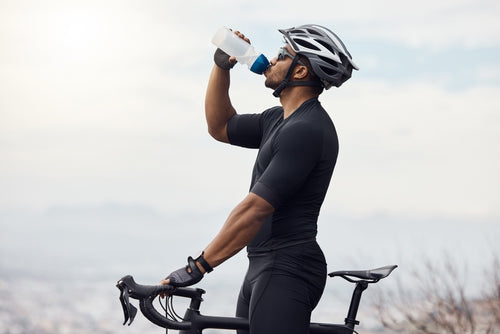
This group includes fitness enthusiasts who engage in regular exercise, weekend warriors, and those with active commutes. Their hydration needs fluctuate based on activity intensity and Singapore's outdoor conditions, requiring flexible strategies for effective daily hydration.
Workout Hydration Strategy for Active Movers
Pre-Activity Preparation:
• Drink 400-600ml of water 2-3 hours before exercise
• Consume an additional 200-300ml 15-20 minutes before starting
• For sessions longer than 60 minutes, consider electrolyte preloading
During Activity:
• Aim for 150-250ml every 15-20 minutes during exercise
• For high-intensity or prolonged activities (>60 minutes), include electrolytes to maintain performance
• Adjust intake based on sweat rate and environmental conditions
Post-Activity Recovery:
• Post-workout recovery begins immediately: consume 150% of fluid lost through sweat
• Include sodium and potassium to optimise rehydration
• Monitor body weight before and after exercise to gauge fluid loss
Common Hydration Mistakes for Active Movers
Sticking to a fixed volume of fluids is a common mistake many make. Hydrating in Singapore means being mindful of the constantly hot weather and adjusting hydration accordingly. Active everyday movers will benefit from learning to recognise their individual sweat rates and taking care to get both fluids and electrolytes before, during, and after exercise.
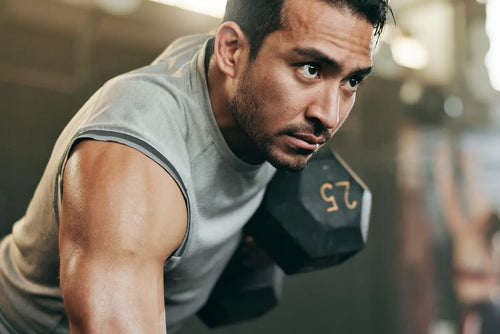
Elite athletes and serious sports enthusiasts require the most sophisticated approach to ensure effective daily hydration. Their needs vary based on training periodisation, competition schedules, and sport-specific demands. Inadequate hydration can significantly impact performance, with even 2% dehydration causing measurable decreases in athletic capability.⁷
Precision Hydration Protocol for Dedicated Athletes
Periodised Hydration Planning:
• Base hydration: 35-40ml per kg of body weight daily during regular training
• Increase to 45-50ml per kg during intense training blocks
• Customise based on individual sweat testing and environmental conditions
Training Session Protocol:
• Pre-training: 500-750ml consumed 2-4 hours prior, plus 200-250ml 15 minutes before
• During training: 150-300ml every 15-20 minutes, adjusted for intensity and duration
• Post-training: Immediate rehydration with 125-150% of sweat losses within 2 hours
Competition Day Strategy:
• Begin hydration protocol 24 hours before competition
• Maintain consistent electrolyte balance to prevent cramping
• Develop sport-specific timing strategies that don't interfere with performance
Why Athletes Need Personalised Hydration Assessments
Athletes benefit from professional hydration assessments, including sweat testing and individual electrolyte profiling. Recovery hydration is crucial for adaptation and preparing for subsequent training sessions, especially when hydrating in Singapore due to the high temperatures.
Conclusion: Elevate Your Hydration Game with Cellular Hydration
Understanding your lifestyle's unique hydration requirements is the foundation of optimal wellbeing and performance. Whether you're conquering spreadsheets, smashing personal records, or training for competition, tailored hydration for active lifestyles makes a measurable difference.
Cellular Hydration recognises that busy Singaporeans need convenient, effective solutions for effective daily hydration. Our premium hydration shots are precisely formulated to deliver the essential minerals your body needs, regardless of your lifestyle demands. Each shot provides optimal electrolyte ratios without unnecessary additives, making it the perfect complement to your personalised hydration strategy.
From supporting cognitive function during long office hours to enhancing post-workout recovery for athletes, Cellular Hydration offers a scientifically-backed, convenient way to maintain peak hydration status. Because when your hydration is optimised, everything else follows.
Ready to transform your hydration routine? Discover how Cellular Hydration can seamlessly integrate into your lifestyle and elevate your daily performance. Get your shots here.
Monitor your urine colour throughout the day—it should be pale yellow. Additionally, track your energy levels, cognitive function, and physical performance. Dark urine, persistent fatigue, or decreased performance may indicate inadequate hydration.
2. When should I choose electrolyte drinks over plain water?
Use electrolyte solutions during activities lasting longer than 60 minutes, in hot and humid conditions, or when you're sweating heavily. Office workers benefit from electrolyte drinks during particularly stressful periods or when consuming multiple cups of coffee daily.
3. Can I drink too much water?
Yes, overhydration (hyponatraemia) can occur when you drink excessive amounts without replacing electrolytes. This is more common in endurance activities. Balance is key—match your fluid intake to your losses and include appropriate electrolytes.
3. Armstrong, L. E. (2007). Assessing hydration status: the elusive gold standard. Journal of the American College of Nutrition, 26(5), 575S-584S.
4. Killer, S. C., Blannin, A. K., & Jeukendrup, A. E. (2014). No evidence of dehydration with moderate daily coffee intake: a counterbalanced cross-over study in a free-living population. PLoS One, 9(1), e84154.
5. Masento, N. A., Golightly, M., Field, D. T., Butler, L. T., & van Reekum, C. M. (2014). Effects of hydration status on cognitive performance and mood. British Journal of Nutrition, 111(10), 1841-1852.
6. Riebl, S. K., & Davy, B. M. (2013). The hydration equation: update on water balance and cognitive performance. ACSM's Health & Fitness Journal, 17(6), 21-28.
7. Judelson, D. A., Maresh, C. M., Anderson, J. M., Armstrong, L. E., Casa, D. J., Kraemer, W. J., & Volek, J. S. (2007). Hydration and muscular performance. Sports Medicine, 37(10), 907-921.
The human body loses electrolytes through sweat, breathing, and normal metabolic processes, but the rate and composition of these losses vary dramatically based on activity level, environment, and individual physiology.¹ A one-size-fits-all approach to hydration simply doesn't work when you consider that a sedentary office worker and a marathon runner face entirely different physiological demands.
Understanding your lifestyle's specific hydration requirements is the first step towards optimising your performance, energy levels, and overall wellbeing. Let's explore how 3 common lifestyles in Singapore can benefit from tailored hydration strategies.
1. The Sedentary Office Worker: Combating Air-Con Dehydration
Why Air-Conditioned Offices Dehydrate YouOffice workers in Singapore face a unique hydration challenge: spending 8-10 hours daily in air-conditioned environments that can be surprisingly dehydrating.² Low humidity levels in office spaces cause increased water loss through respiration, whilst prolonged sitting can affect circulation and kidney function.³
Hydration Strategy for Office Workers
Morning Start-Up Protocol:
• Begin the day with 500ml of water upon waking to counteract overnight dehydration
• Include a light electrolyte solution if you've had caffeine, as it has mild diuretic effects ⁴
Throughout the Workday:
• Consume 200-250ml of water every hour
• Set reminders every 60 minutes to ensure consistent intake
• Monitor urine colour—aim for pale yellow throughout the day
Mid-Afternoon Boost:
• Counter the post-lunch energy dip with electrolyte-enhanced hydration
• This helps maintain cognitive function and prevents the 3 PM fatigue⁵
Common Hydration Mistakes for Office Workers
Office workers often mistake hunger for thirst, leading to unnecessary snacking. Effective daily hydration can help cut such unnecessary snacking out while improving concentration, reducing headaches, and maintaining energy levels throughout extended periods of mental work.⁶
2. Active Everyday Movers: Balancing Daily Activity and Hydration
Why Hydration Needs Change With Every WorkoutThis group includes fitness enthusiasts who engage in regular exercise, weekend warriors, and those with active commutes. Their hydration needs fluctuate based on activity intensity and Singapore's outdoor conditions, requiring flexible strategies for effective daily hydration.
Workout Hydration Strategy for Active Movers
Pre-Activity Preparation:
• Drink 400-600ml of water 2-3 hours before exercise
• Consume an additional 200-300ml 15-20 minutes before starting
• For sessions longer than 60 minutes, consider electrolyte preloading
During Activity:
• Aim for 150-250ml every 15-20 minutes during exercise
• For high-intensity or prolonged activities (>60 minutes), include electrolytes to maintain performance
• Adjust intake based on sweat rate and environmental conditions
Post-Activity Recovery:
• Post-workout recovery begins immediately: consume 150% of fluid lost through sweat
• Include sodium and potassium to optimise rehydration
• Monitor body weight before and after exercise to gauge fluid loss
Common Hydration Mistakes for Active Movers
Sticking to a fixed volume of fluids is a common mistake many make. Hydrating in Singapore means being mindful of the constantly hot weather and adjusting hydration accordingly. Active everyday movers will benefit from learning to recognise their individual sweat rates and taking care to get both fluids and electrolytes before, during, and after exercise.
3. Dedicated Athletes: Precision Hydration for Peak Performance
Why Dehydration Can Ruin Athletic PerformanceElite athletes and serious sports enthusiasts require the most sophisticated approach to ensure effective daily hydration. Their needs vary based on training periodisation, competition schedules, and sport-specific demands. Inadequate hydration can significantly impact performance, with even 2% dehydration causing measurable decreases in athletic capability.⁷
Precision Hydration Protocol for Dedicated Athletes
Periodised Hydration Planning:
• Base hydration: 35-40ml per kg of body weight daily during regular training
• Increase to 45-50ml per kg during intense training blocks
• Customise based on individual sweat testing and environmental conditions
Training Session Protocol:
• Pre-training: 500-750ml consumed 2-4 hours prior, plus 200-250ml 15 minutes before
• During training: 150-300ml every 15-20 minutes, adjusted for intensity and duration
• Post-training: Immediate rehydration with 125-150% of sweat losses within 2 hours
Competition Day Strategy:
• Begin hydration protocol 24 hours before competition
• Maintain consistent electrolyte balance to prevent cramping
• Develop sport-specific timing strategies that don't interfere with performance
Why Athletes Need Personalised Hydration Assessments
Athletes benefit from professional hydration assessments, including sweat testing and individual electrolyte profiling. Recovery hydration is crucial for adaptation and preparing for subsequent training sessions, especially when hydrating in Singapore due to the high temperatures.
Conclusion: Elevate Your Hydration Game with Cellular Hydration
Understanding your lifestyle's unique hydration requirements is the foundation of optimal wellbeing and performance. Whether you're conquering spreadsheets, smashing personal records, or training for competition, tailored hydration for active lifestyles makes a measurable difference. Cellular Hydration recognises that busy Singaporeans need convenient, effective solutions for effective daily hydration. Our premium hydration shots are precisely formulated to deliver the essential minerals your body needs, regardless of your lifestyle demands. Each shot provides optimal electrolyte ratios without unnecessary additives, making it the perfect complement to your personalised hydration strategy.
From supporting cognitive function during long office hours to enhancing post-workout recovery for athletes, Cellular Hydration offers a scientifically-backed, convenient way to maintain peak hydration status. Because when your hydration is optimised, everything else follows.
Ready to transform your hydration routine? Discover how Cellular Hydration can seamlessly integrate into your lifestyle and elevate your daily performance. Get your shots here.
Frequently Asked Questions
1. How do I know if I'm drinking enough water for my lifestyle?Monitor your urine colour throughout the day—it should be pale yellow. Additionally, track your energy levels, cognitive function, and physical performance. Dark urine, persistent fatigue, or decreased performance may indicate inadequate hydration.
2. When should I choose electrolyte drinks over plain water?
Use electrolyte solutions during activities lasting longer than 60 minutes, in hot and humid conditions, or when you're sweating heavily. Office workers benefit from electrolyte drinks during particularly stressful periods or when consuming multiple cups of coffee daily.
3. Can I drink too much water?
Yes, overhydration (hyponatraemia) can occur when you drink excessive amounts without replacing electrolytes. This is more common in endurance activities. Balance is key—match your fluid intake to your losses and include appropriate electrolytes.
References
1. Cheuvront, S. N., & Kenefick, R. W. (2014). Dehydration: physiology, assessment, and performance effects. Comprehensive Physiology, 4(1), 257-285. 2. Wolkoff, P., & Kjærgaard, S. K. (2007). The dichotomy of relative humidity on indoor air quality. Environment International, 33(6), 850-857.3. Armstrong, L. E. (2007). Assessing hydration status: the elusive gold standard. Journal of the American College of Nutrition, 26(5), 575S-584S.
4. Killer, S. C., Blannin, A. K., & Jeukendrup, A. E. (2014). No evidence of dehydration with moderate daily coffee intake: a counterbalanced cross-over study in a free-living population. PLoS One, 9(1), e84154.
5. Masento, N. A., Golightly, M., Field, D. T., Butler, L. T., & van Reekum, C. M. (2014). Effects of hydration status on cognitive performance and mood. British Journal of Nutrition, 111(10), 1841-1852.
6. Riebl, S. K., & Davy, B. M. (2013). The hydration equation: update on water balance and cognitive performance. ACSM's Health & Fitness Journal, 17(6), 21-28.
7. Judelson, D. A., Maresh, C. M., Anderson, J. M., Armstrong, L. E., Casa, D. J., Kraemer, W. J., & Volek, J. S. (2007). Hydration and muscular performance. Sports Medicine, 37(10), 907-921.