How to Stay Hydrated in Singapore’s Hot Weather: 4 Practical Tips
Singapore’s tropical climate is known for its consistently high temperatures and humidity levels throughout the year. Whether you are commuting to work, exercising outdoors, or simply running errands, prolonged heat and perspiration can quickly increase fluid loss and place stress on the body.¹
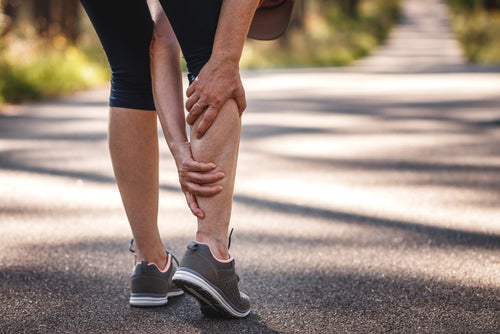
For many people, hydration for hot weather is just about drinking more water, but excessive sweating can also lead to the loss of important electrolytes, while prolonged sun exposure may increase the production of free radicals.²˒ ³ Without proper hydration habits, fatigue, headaches, reduced concentration, and poorer physical performance may become more common.⁴
The good news is that staying hydrated in Singapore’s climate does not need to be complicated. Here are 4 practical tips that may help you maintain hydration levels more effectively throughout the day.
In Singapore’s hot and humid weather, the body loses fluids continuously through sweat, even during light daily activities. This means hydration should ideally be approached proactively rather than reactively.
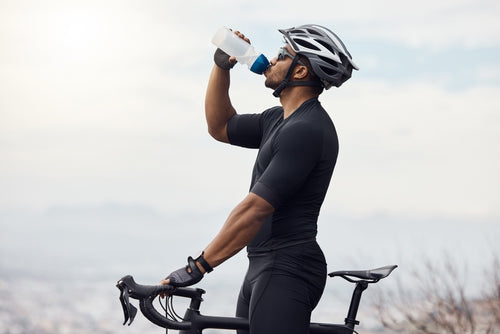
A practical strategy is to spread fluid intake throughout the day instead of consuming large amounts all at once. Keeping a water bottle nearby during work, exercise, commuting, or outdoor activities can make it easier to maintain regular fluid intake.
People who exercise frequently or spend long periods outdoors may require even more fluids due to higher sweat losses.¹ Monitoring urine colour can also provide a rough indication of hydration status, with pale yellow urine generally suggesting better hydration.⁶
In Singapore’s hot weather, especially during exercise or prolonged outdoor exposure, replacing electrolytes may help support hydration more effectively than water alone.
This is particularly relevant in Singapore, where the hot weather exacerbates sweating, increasing the rate at which electrolytes are lost. Weather aside, high activity or prolonged outdoor exposure may also require additional electrolytes to be replaced, on top of just replacing fluids.⁸
Some practical ways to replenish electrolytes include:
• Eating potassium-rich foods such as bananas, spinach, and avocados
• Drinking electrolyte-containing beverages after intense sweating
• Maintaining balanced daily nutrition
• Using convenient hydration supplements when travelling or exercising
For people with active lifestyles, portable hydration products may also provide a convenient option for maintaining daily electrolyte intake.
Strong sun exposure can increase body temperature and accelerate fluid loss through sweating.⁹ In Singapore, midday temperatures and humidity can become particularly intense between late morning and mid-afternoon.
Beyond dehydration, excessive ultraviolet (UV) exposure may also contribute to oxidative stress in the body by increasing the production of free radicals.³ Free radicals are unstable molecules that can contribute to cellular damage when produced in excessive amounts.¹⁰
Reducing unnecessary heat and UV exposure may therefore support both hydration and overall wellbeing.
Some practical strategies include:
• Seeking shade whenever possible
• Wearing lightweight and breathable clothing
• Using umbrellas, caps, or sunglasses outdoors
• Scheduling outdoor workouts earlier in the morning or later in the evening
• Applying sunscreen regularly during prolonged outdoor activities
These habits may help reduce heat strain while supporting more comfortable hydration throughout the day.
Fluids do not only come from beverages. Many fruits and vegetables naturally contain high water content and can contribute meaningfully to daily hydration intake.¹¹
Hydrating foods can also provide vitamins, minerals, and antioxidants that help support overall health, particularly during periods of increased heat and sun exposure.
Some examples of water-rich foods include:
• Watermelon
• Cucumbers
• Oranges
• Strawberries
• Lettuce
• Celery
Certain fruits and vegetables also contain antioxidants, which may help the body manage oxidative stress associated with free radicals.¹⁰
Incorporating hydrating foods into meals and snacks may therefore provide an additional layer of support for hydration for hot weather.
Singapore’s year-round heat and humidity can make proper hydration an important part of daily wellbeing. From replacing electrolytes lost through sweat to managing sun exposure more carefully, small daily habits may help support hydration more effectively.
For people with active lifestyles, convenient hydration solutions can also make it easier to stay consistent. Cellular Hydration is a compact 57 ml hydration shot designed to help replenish essential electrolytes in a portable and convenient format.
With a carefully formulated electrolyte profile and an easy-to-carry design, it offers a practical option for supporting hydration throughout busy days, workouts, travel, and outdoor activities. Additionally, lab testing has shown that Cellular Hydration can help reduce cell damage from free radicals by over 14%.
Learn more about Cellular Hydration and get your shots here.
1. Can sun exposure affect hydration?
Yes. Prolonged sun exposure may increase body temperature and sweating, which can accelerate fluid loss.⁹ UV exposure may also contribute to oxidative stress linked to free radicals.³
2. What are electrolytes, and why do they matter?
Electrolytes are minerals such as sodium, potassium, and magnesium that help regulate fluid balance, muscle contractions, and nerve function.⁷ Heavy sweating can deplete electrolyte levels over time.
3. What are free radicals and how can we deal with them?
Free radicals are unstable molecules commonly created by environmental factors like sun exposure, pollution, and cigarette smoke. When produced in excessive amounts, they may contribute to oxidative stress in the body. Supporting your body with healthy daily habits—such as managing sun exposure, staying hydrated, eating antioxidant-rich foods, and maintaining electrolyte balance—may help support overall wellbeing.
Additionally, Cellular Hydration offers a quick and easy way to combat the cellular damage from free radicals, reducing markers of oxidative stress by up to 14.53%.
References
1. Sawka, M. N., Cheuvront, S. N., & Carter, R. (2005). Human water needs. Nutrition Reviews, 63(6), S30–S39. https://doi.org/10.1111/j.1753-4887.2005.tb00152.x
2. Casa, D. J., Armstrong, L. E., Hillman, S. K., et al. (2000). National Athletic Trainers’ Association position statement: Fluid replacement for athletes. Journal of Athletic Training, 35(2), 212–224.
3. Rinnerthaler, M., Bischof, J., Streubel, M. K., Trost, A., & Richter, K. (2015). Oxidative stress in aging human skin. Biomolecules, 5(2), 545–589. https://doi.org/10.3390/biom5020545
4. Popkin, B. M., D’Anci, K. E., & Rosenberg, I. H. (2010). Water, hydration, and health. Nutrition Reviews, 68(8), 439–458. https://doi.org/10.1111/j.1753-4887.2010.00304.x
5. Armstrong, L. E. (2012). Challenges of linking chronic dehydration and fluid consumption to health outcomes. Nutrition Reviews, 70(suppl_2), S121–S127. https://doi.org/10.1111/j.1753-4887.2012.00517.x
6. Mayo Clinic Staff. (2022). Water: How much should you drink every day? Mayo Clinic. https://www.mayoclinic.org
7. Shirreffs, S. M., & Maughan, R. J. (1998). Volume repletion after exercise-induced volume depletion in humans. American Journal of Physiology, 274(5), F868–F875.
8. Thomas, D. T., Erdman, K. A., & Burke, L. M. (2016). Position of the Academy of Nutrition and Dietetics, Dietitians of Canada, and the American College of Sports Medicine: Nutrition and athletic performance. Journal of the Academy of Nutrition and Dietetics, 116(3), 501–528.
9. World Health Organization. (2023). Sun protection. https://www.who.int
10. Pham-Huy, L. A., He, H., & Pham-Huy, C. (2008). Free radicals, antioxidants in disease and health. International Journal of Biomedical Science, 4(2), 89–96.
11. Centers for Disease Control and Prevention. (2023). Fruits and vegetables. https://www.cdc.gov/nutrition/index.html
For many people, hydration for hot weather is just about drinking more water, but excessive sweating can also lead to the loss of important electrolytes, while prolonged sun exposure may increase the production of free radicals.²˒ ³ Without proper hydration habits, fatigue, headaches, reduced concentration, and poorer physical performance may become more common.⁴
The good news is that staying hydrated in Singapore’s climate does not need to be complicated. Here are 4 practical tips that may help you maintain hydration levels more effectively throughout the day.
1. Drink Regularly Before You Feel Thirsty
One of the most common hydration mistakes is relying entirely on thirst as a signal to drink water. By the time thirst appears, mild dehydration may already have begun.⁵In Singapore’s hot and humid weather, the body loses fluids continuously through sweat, even during light daily activities. This means hydration should ideally be approached proactively rather than reactively.
A practical strategy is to spread fluid intake throughout the day instead of consuming large amounts all at once. Keeping a water bottle nearby during work, exercise, commuting, or outdoor activities can make it easier to maintain regular fluid intake.
People who exercise frequently or spend long periods outdoors may require even more fluids due to higher sweat losses.¹ Monitoring urine colour can also provide a rough indication of hydration status, with pale yellow urine generally suggesting better hydration.⁶
2. Replace Electrolytes Lost Through Sweating
Hydration is not only about water intake. When you sweat, the body also loses electrolytes such as potassium, magnesium, and chloride which help regulate fluid balance, muscle function, and nerve signalling.⁷In Singapore’s hot weather, especially during exercise or prolonged outdoor exposure, replacing electrolytes may help support hydration more effectively than water alone.
This is particularly relevant in Singapore, where the hot weather exacerbates sweating, increasing the rate at which electrolytes are lost. Weather aside, high activity or prolonged outdoor exposure may also require additional electrolytes to be replaced, on top of just replacing fluids.⁸
Some practical ways to replenish electrolytes include:
• Eating potassium-rich foods such as bananas, spinach, and avocados
• Drinking electrolyte-containing beverages after intense sweating
• Maintaining balanced daily nutrition
• Using convenient hydration supplements when travelling or exercising
For people with active lifestyles, portable hydration products may also provide a convenient option for maintaining daily electrolyte intake.
3. Limit Excessive Sun Exposure During Peak Heat Hours
Strong sun exposure can increase body temperature and accelerate fluid loss through sweating.⁹ In Singapore, midday temperatures and humidity can become particularly intense between late morning and mid-afternoon.Beyond dehydration, excessive ultraviolet (UV) exposure may also contribute to oxidative stress in the body by increasing the production of free radicals.³ Free radicals are unstable molecules that can contribute to cellular damage when produced in excessive amounts.¹⁰
Reducing unnecessary heat and UV exposure may therefore support both hydration and overall wellbeing.
Some practical strategies include:
• Seeking shade whenever possible
• Wearing lightweight and breathable clothing
• Using umbrellas, caps, or sunglasses outdoors
• Scheduling outdoor workouts earlier in the morning or later in the evening
• Applying sunscreen regularly during prolonged outdoor activities
These habits may help reduce heat strain while supporting more comfortable hydration throughout the day.
4. Eat More Hydrating Foods
Fluids do not only come from beverages. Many fruits and vegetables naturally contain high water content and can contribute meaningfully to daily hydration intake.¹¹Hydrating foods can also provide vitamins, minerals, and antioxidants that help support overall health, particularly during periods of increased heat and sun exposure.
Some examples of water-rich foods include:
• Watermelon
• Cucumbers
• Oranges
• Strawberries
• Lettuce
• Celery
Certain fruits and vegetables also contain antioxidants, which may help the body manage oxidative stress associated with free radicals.¹⁰
Incorporating hydrating foods into meals and snacks may therefore provide an additional layer of support for hydration for hot weather.
Conclusion
Singapore’s year-round heat and humidity can make proper hydration an important part of daily wellbeing. From replacing electrolytes lost through sweat to managing sun exposure more carefully, small daily habits may help support hydration more effectively.For people with active lifestyles, convenient hydration solutions can also make it easier to stay consistent. Cellular Hydration is a compact 57 ml hydration shot designed to help replenish essential electrolytes in a portable and convenient format.
With a carefully formulated electrolyte profile and an easy-to-carry design, it offers a practical option for supporting hydration throughout busy days, workouts, travel, and outdoor activities. Additionally, lab testing has shown that Cellular Hydration can help reduce cell damage from free radicals by over 14%.
Learn more about Cellular Hydration and get your shots here.
Frequently Asked Questions
1. Can sun exposure affect hydration?
Yes. Prolonged sun exposure may increase body temperature and sweating, which can accelerate fluid loss.⁹ UV exposure may also contribute to oxidative stress linked to free radicals.³
2. What are electrolytes, and why do they matter?
Electrolytes are minerals such as sodium, potassium, and magnesium that help regulate fluid balance, muscle contractions, and nerve function.⁷ Heavy sweating can deplete electrolyte levels over time.
3. What are free radicals and how can we deal with them?
Free radicals are unstable molecules commonly created by environmental factors like sun exposure, pollution, and cigarette smoke. When produced in excessive amounts, they may contribute to oxidative stress in the body. Supporting your body with healthy daily habits—such as managing sun exposure, staying hydrated, eating antioxidant-rich foods, and maintaining electrolyte balance—may help support overall wellbeing.
Additionally, Cellular Hydration offers a quick and easy way to combat the cellular damage from free radicals, reducing markers of oxidative stress by up to 14.53%.
References
1. Sawka, M. N., Cheuvront, S. N., & Carter, R. (2005). Human water needs. Nutrition Reviews, 63(6), S30–S39. https://doi.org/10.1111/j.1753-4887.2005.tb00152.x2. Casa, D. J., Armstrong, L. E., Hillman, S. K., et al. (2000). National Athletic Trainers’ Association position statement: Fluid replacement for athletes. Journal of Athletic Training, 35(2), 212–224.
3. Rinnerthaler, M., Bischof, J., Streubel, M. K., Trost, A., & Richter, K. (2015). Oxidative stress in aging human skin. Biomolecules, 5(2), 545–589. https://doi.org/10.3390/biom5020545
4. Popkin, B. M., D’Anci, K. E., & Rosenberg, I. H. (2010). Water, hydration, and health. Nutrition Reviews, 68(8), 439–458. https://doi.org/10.1111/j.1753-4887.2010.00304.x
5. Armstrong, L. E. (2012). Challenges of linking chronic dehydration and fluid consumption to health outcomes. Nutrition Reviews, 70(suppl_2), S121–S127. https://doi.org/10.1111/j.1753-4887.2012.00517.x
6. Mayo Clinic Staff. (2022). Water: How much should you drink every day? Mayo Clinic. https://www.mayoclinic.org
7. Shirreffs, S. M., & Maughan, R. J. (1998). Volume repletion after exercise-induced volume depletion in humans. American Journal of Physiology, 274(5), F868–F875.
8. Thomas, D. T., Erdman, K. A., & Burke, L. M. (2016). Position of the Academy of Nutrition and Dietetics, Dietitians of Canada, and the American College of Sports Medicine: Nutrition and athletic performance. Journal of the Academy of Nutrition and Dietetics, 116(3), 501–528.
9. World Health Organization. (2023). Sun protection. https://www.who.int
10. Pham-Huy, L. A., He, H., & Pham-Huy, C. (2008). Free radicals, antioxidants in disease and health. International Journal of Biomedical Science, 4(2), 89–96.
11. Centers for Disease Control and Prevention. (2023). Fruits and vegetables. https://www.cdc.gov/nutrition/index.html